The Forbidden Forest isn’t just a scary place next to Hogwarts—it is the story’s hidden “engine room,” where the biggest themes of Harry Potter (choice, death, power, and growing up) are tested in real life. It quietly shapes the plot from Book 1 to Book 7 and becomes the stage for Harry’s most important decision.
Recommended for You:- The Creepy Reason Why Hogwarts Staircases Move
- Why Ron’s Broken Wand Wasn’t an Accident
- The Dark Connection Between Dementors and the Veil in the Ministry
- Why the Deathly Hallows Symbol Is Linked to Hogwarts Founders
Why it matters more than Hogwarts
Hogwarts feels safe because it has rules, teachers, and walls, but the Forest has none of that. The Forbidden Forest shows that the wizarding world is bigger than school, and it does not care whether you are a first-year or “the Chosen One.”
That’s why Rowling keeps sending key characters into it—because real growth in the series happens when adult protection disappears.
In simple terms: the castle teaches theory, but the Forest forces truth. When characters enter it, they meet consequences, not just lessons.
The Forest is a “truth zone”
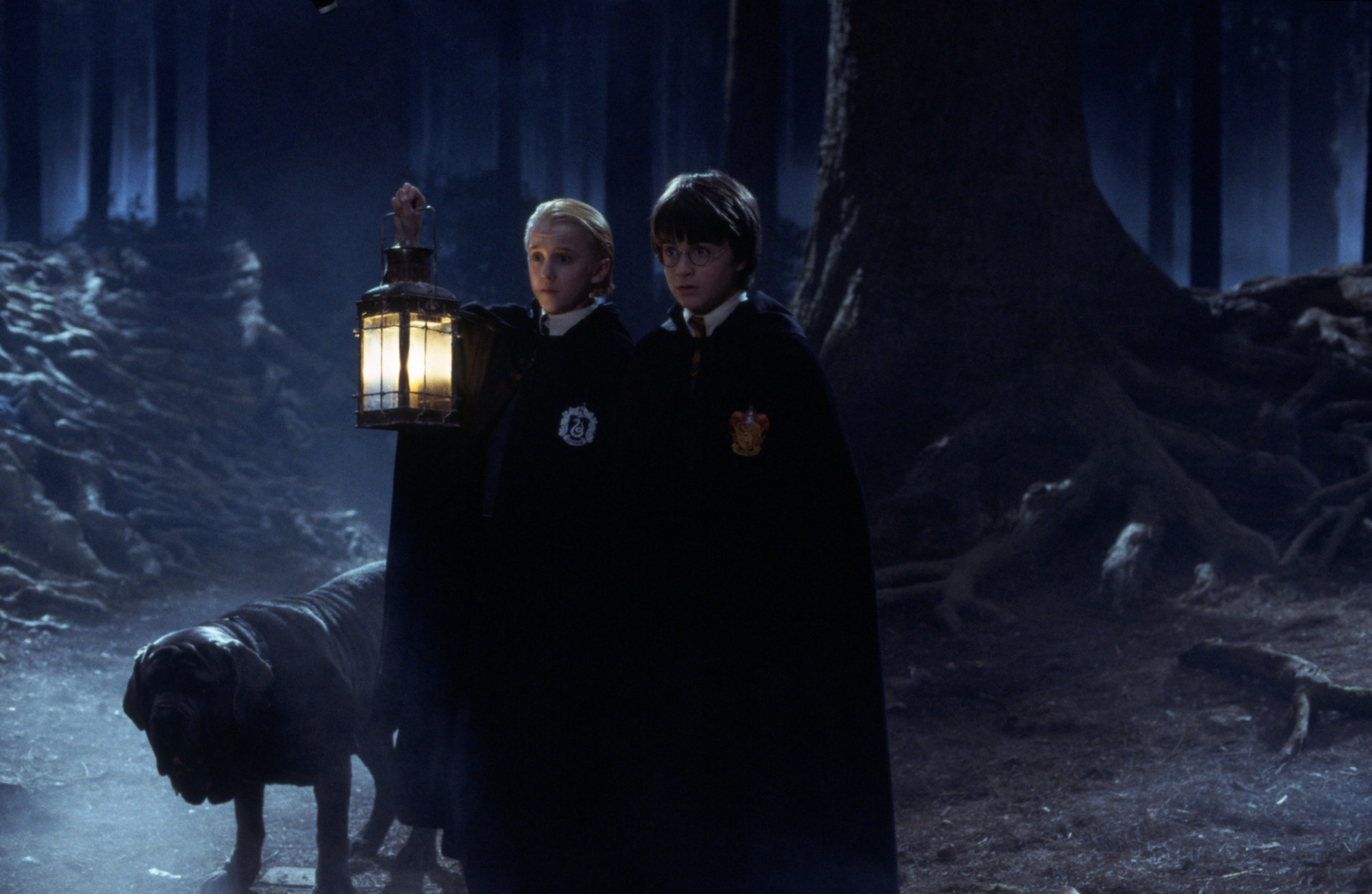
A strong theory is that the Forest works like a pressure chamber: it removes excuses and reveals what someone really is. Harry’s first detention in the Forest is not just punishment—it is the first time he meets the reality of Voldemort’s survival, through the unicorn killings and the hooded figure drinking unicorn blood.
This moment quietly flips the series from “magical school mystery” to “life-and-death war.”
Even the centaurs’ star-reading and cryptic warnings turn the Forest into a place where fate is discussed openly, not hidden behind Dumbledore’s careful half-answers. The Forest keeps asking the same question: will you follow fear, or will you do what is right even when nobody can reward you?
It protects what society rejects
The Forbidden Forest is home to creatures that don’t fit neatly into wizard society—centaurs, Acromantulas, unicorns, thestrals, and others—making it feel like a “borderland” between the civilized and the wild.
This matters because Harry Potter is full of prejudice (blood status, werewolves, giants, house-elves), and the Forest acts like a mirror: it shows what happens when the wizarding world labels something as “dangerous” and pushes it away.
Hagrid’s home sitting at the edge of the Forest is not an accident—it visually places him between Hogwarts and the wild, just like his role in the story (half inside the system, half outside it). Through him, the Forest becomes not only a threat, but also a classroom where empathy is learned the hard way.
The Forest drives the biggest plot turns
If you track major story beats, the Forest is where the series repeatedly “turns the corner.” Harry and Ron following the spiders leads to Aragog and reveals a major clue about the Chamber of Secrets mystery. The Forest also holds Triwizard Tournament-related secrets (like where Hagrid shows Madam Maxime the dragons, with Harry spying).
In Order of the Phoenix, the Forest becomes a political battleground when Hogwarts’ ministry control crashes into centaur territory (and Umbridge’s prejudice triggers consequences).
Later, during the Battle of Hogwarts, Voldemort uses the Forest as a base and forces its creatures into the war, proving again that the “outside” world always reaches the school eventually.
The Forest is where Harry becomes unstoppable
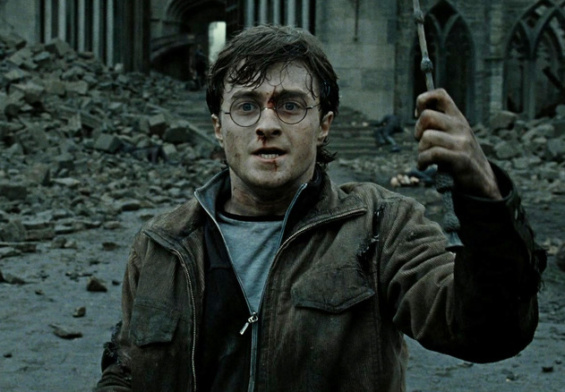
The most important reason the Forbidden Forest is more important than you realize: it is where Harry walks to his own death on purpose. In the official Wizarding World fact file, the Forest is directly connected to Harry sacrificing himself and using the Resurrection Stone, which shows the series treats this location as the center of its final meaning.
The Forest is where Harry stops being “the boy who survived” and becomes a person who chooses sacrifice without being forced.
Here’s the theory in one line: the Forest is the series’ final exam, and Harry passes because he chooses love over control. That’s why the Forest isn’t just background scenery—it is the place where the story’s deepest rules finally become visible.